

Marron Glacé: history and interesting facts about a sweet delicacy
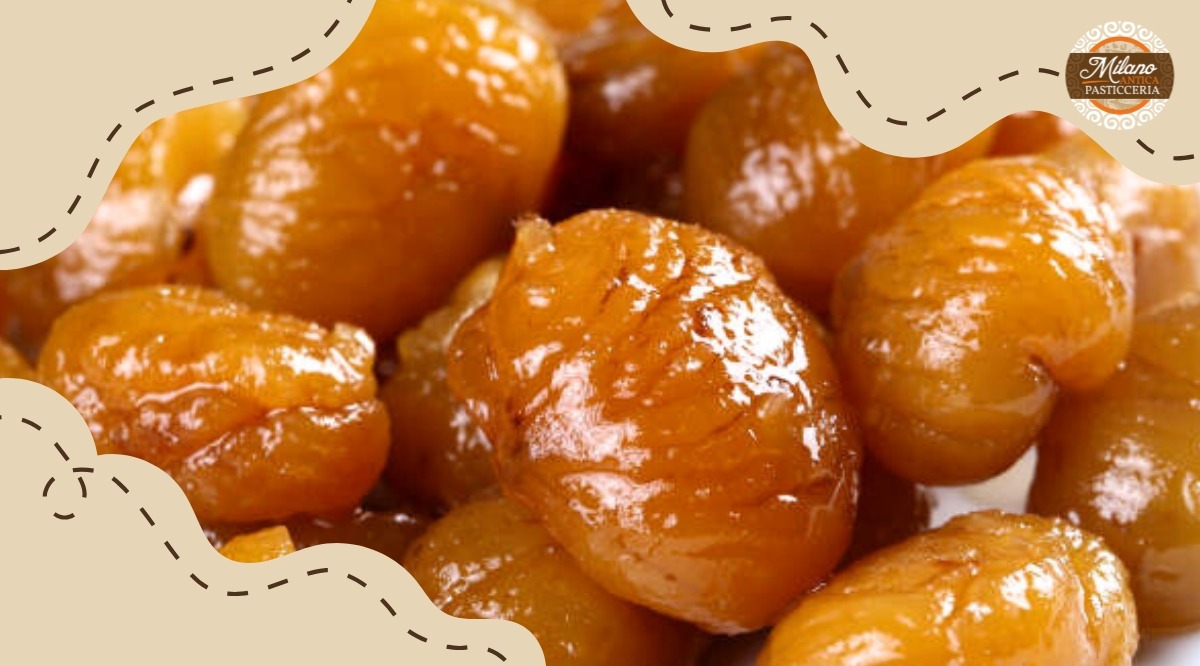
The marron glacé are one of the most refined and delicious specialties of the European confectionery tradition. Hidden behind this small treasure trove of sweetness, which captivates with its shiny glaze and soft chestnut heart, is a long and fascinating history.
The origins between Italy and France
Glazed chestnuts were born between Piedmont and France, two lands historically linked by the tradition of chestnut cultivation and great pastry-making.
Some 17th-century documents already mention the “marron candito”, but it was between Turin and Lyon that the recipe was perfected to become the one we know today: a large and prized chestnut (the marrone, sweeter and less fibrous than the common chestnut), slowly candied in sugar syrup and covered with a thin glaze.
A precious crafting process
Preparing a marron glacé requires time, patience, and great mastery. Each chestnut is carefully selected, peeled without breaking the pulp, and subjected to a long candying process that lasts several days. This is the only way the chestnut can absorb the syrup, becoming soft and fragrant. Finally, a delicate glazing enhances its flavor and elegant appearance.
Sweetness for the holidays
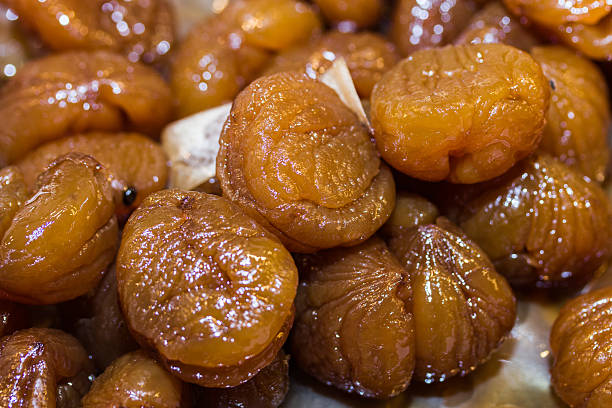
The marron glacé have always been considered a luxury dessert, a centerpiece of Christmas holidays and special moments. Their refinement made them beloved in European courts, and today they have become a delight appreciated worldwide.
Delicious curiosities
• In France they are called “marrons glacés”, in Italy “marron glacé” (singular), but the substance remains the same: a delicacy that unites two cultures.
• It is said that the Sun King, Louis XIV, was a great admirer of them.
• In the past, they were packaged one by one in gold paper, like true pastry jewels.
Our marron glacé
At Pasticceria Milano in Gavirate, the marron glacé are offered following the traditional recipe, with the same artisan care that has always distinguished us. A small indulgence perfect for gifting or enjoying during the holidays.